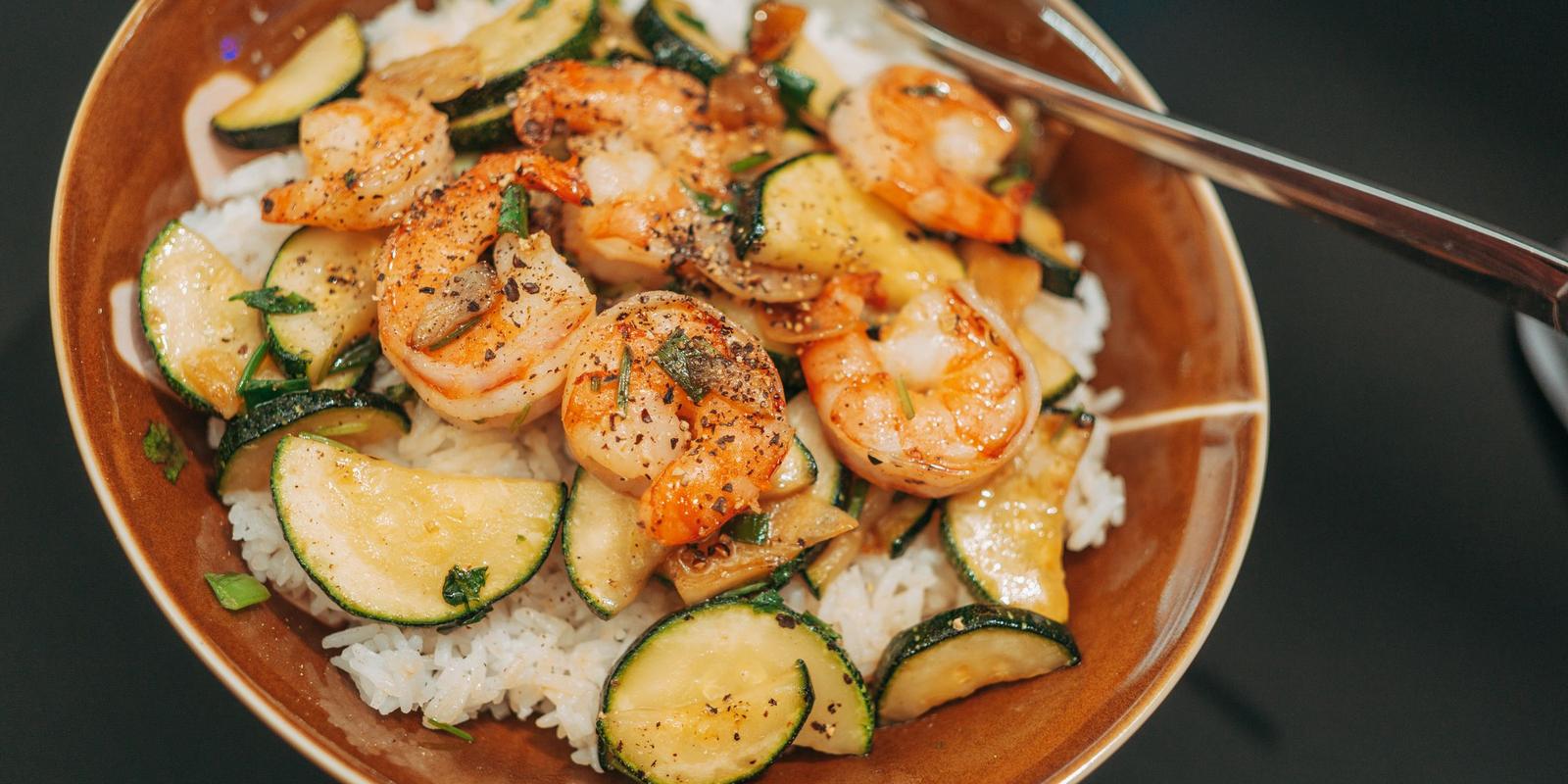
Why rice made sense under scampi
A garlic-butter sauce can be intensely flavored even when the seafood itself is delicate. Rice offers many small surfaces and spaces where the sauce can settle. A forkful can therefore bring together shrimp, sauce and grain instead of leaving most of the butter pooled separately on the plate.
The seasoning of the rice also matters conceptually. It gives the base some character of its own, while the garlic-butter sauce remains recognizable. Our historical description says 'seasoned rice' but does not name the variety, exact ingredients or method. It would be misleading to claim a particular rice preparation simply because one works well in a home kitchen.
What vegetables contribute
Sautéed vegetables offer a useful change of pace after several bites of rich sauce and soft rice. Depending on which vegetables are chosen, they can provide a little snap, a less buttery flavor or a different sense of freshness. They also make the plate visually distinct: shrimp and rice can have similar pale tones, while vegetables may introduce brighter colors and shapes.
The way the components meet matters more than an elaborate garnish. A vegetable that keeps some structure gives the fork a contrast to tender shrimp. A vegetable that is lightly coated with sauce can connect the two sides of the plate without making every bite taste identical. These are explanations of balance, not claims about our former kitchen's sautéing times or exact produce selection. The dinner entry confirms fresh vegetables but names no particular type, so none should be advertised as an authentic Cooperage ingredient.
Recognizing well-prepared shrimp
Shrimp provide the focus of this kind of plate, and their texture changes noticeably with cooking. The FDA's FDA guidance for preparing seafood safely explains that cooked shrimp should become firm, pearly and opaque. Those are helpful consumer signs; a pleasing sauce color or strong garlic aroma cannot by itself establish whether the seafood has been handled or cooked safely. Seafood should also be purchased and stored under appropriate refrigeration.
There is a difference between commenting on how shrimp ought to be prepared and claiming to know how a particular historic plate was cooked. Our old menu identified jumbo shrimp and a garlic-butter sauce, but it did not document sourcing checks, cooking temperatures, holding procedures or staff methods. We can describe the texture diners generally seek while leaving those undocumented details unclaimed.
The shellfish question to raise
Shrimp are crustacean shellfish, and the FDA identifies crustacean shellfish as a major allergen. Anyone managing a shrimp allergy should not rely on a dish's short name to determine whether it is suitable. Ingredients in sauces, preparation areas, utensils and the possibility of cross-contact deserve direct clarification from the food provider.
The presence of rice and vegetables does not turn a shrimp-based plate into a shellfish-free choice. Nor can a menu description establish that a historical kitchen offered separate equipment or allergen controls. A clear question about ingredients is more useful than an assumption that removing the visible shrimp would remove the risk.
What the combination tells us
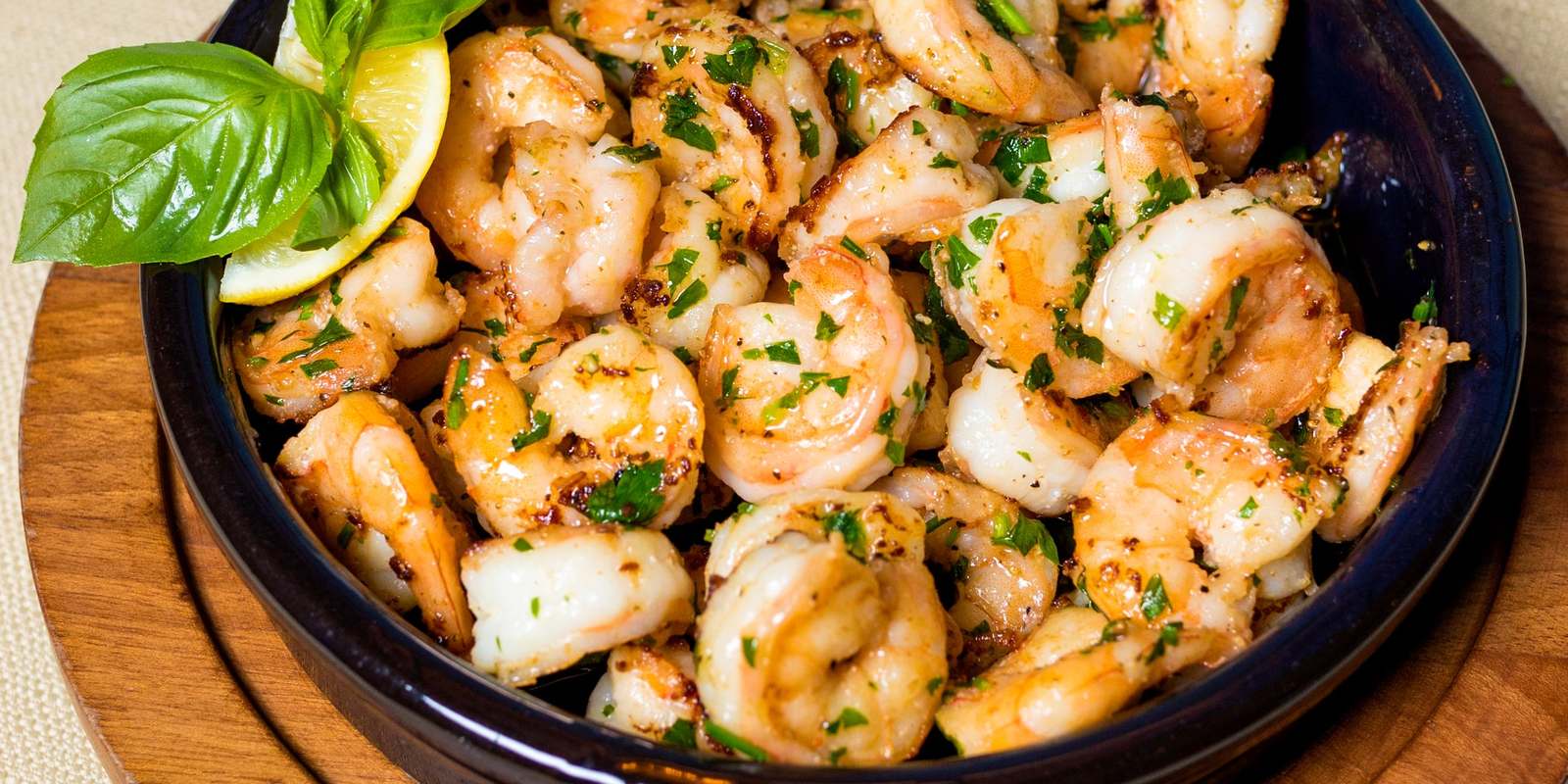
Our former scampi plate linked three distinct sensations: sweet and tender shrimp, a rich garlic-butter coating, and the texture of seasoned rice and vegetables. Its appeal lay in the relationship among the parts. The rice absorbed some of the sauce, the vegetables provided contrast, and the seafood remained the centerpiece. Remembering that arrangement reveals more about the meal than a generic shrimp scampi recipe would, while leaving the exact historical preparation where it belongs: undocumented.